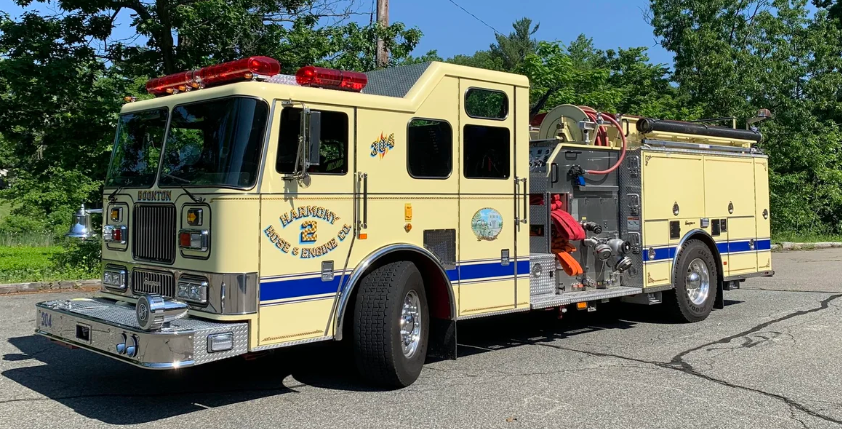
Boonton Fire Department · Company 304

Harmony Hose & Engine Co. No. 2

From a Boonton-built hand pumper to generations of volunteer service. Discover the people, firehouses and apparatus behind Harmony.

Explore our history

The story at a glance

Built in Boonton.
Rooted in community.

Harmony’s story began with a locally built hand pumper and a modest firehouse in 1894. After a devastating fire in 1902, members rebuilt, kept community traditions alive and moved from hand-powered equipment to modern engines. More than a century of service connects those early volunteers with Company 304 today.

Choose a chapter for a short read, or jump to the apparatus photos below.

1893–1894A hand pumper and a home of their own

Built by Boonton’s Simeon Van Duyne in 1893, Harmony’s hand pumper cost the department $200 and was assigned to the company on September 13, 1894. Before the firehouse was ready, it and 300 feet of hose stayed in Theodore Ringlieb’s barn on West Main Street.

In 1894, Harmony bought a lot at Oak Street and Highland Avenue for $70 and built a firehouse for $560. A $90 hose reel and a $5.25 chief’s leather helmet rounded out the early purchases.

1901–1904Rebuilding after the fire

John E. Dunn served as Harmony’s first Chief from 1901 to 1905. On February 12, 1902, an early-morning fire destroyed the company’s firehouse, furniture and fixtures. Insurance covered $200 of the loss.

Harmony moved temporarily into Norris’ barn on Cedar Street, and South Boonton loaned the company its hand engine. A new firehouse opened on Brook Street, now Boonton Avenue, in 1904.

Early 1900sA company rooted in community

Fundraising helped keep Harmony going, from a performance of Finnegan’s Fortune at the Old Opera House to Fireman’s Day games and Ladies Auxiliary bake sales. The company history traces the carnival’s beginnings to the turn of the century.

Before modern fire alarms, the First Presbyterian Church allowed the department to ring its bells for overnight alarms between 10 p.m. and 6 a.m. The firehouse became a neighborhood gathering place, with children playing on its lighted apron.

1916–1957From hand power to modern pumpers

Harmony bought its first motorized fire engine in 1916, believed to be built on a Ford Model T chassis. A 1923 Waterous followed with a 400-gallon-per-minute pump and chemical firefighting equipment.

The 1940 Buffalo introduced cream-colored apparatus to Harmony. A 1957 Seagrave later increased pumping capacity to 750 gallons per minute. Explore the apparatus archive below for photos and highlights.

1967 onwardA shared firehouse and continued innovation

The 1904 firehouse was torn down on February 4, 1967, to make room for a larger building. The company history describes the replacement as a shared home for Harmony, Maxfield Hose & Engine and Maxfield Hook & Ladder, as well as a rehearsal space for the Harmony Senior Drum Corps and an election-day polling place.

The 1976 Great Eastern introduced equipment including a top-mounted pump panel, pre-piped foam and automatic transmission. The 2000 Seagrave, delivered in March 2001, continued that progression with a 1,500-gallon-per-minute pump.
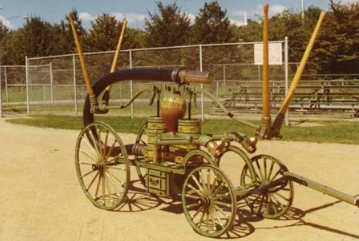
1893 Van Duyne Hand Pumper of Harmony Hose & Engine Co. No. 2

Company 304 archive · Select photo to enlarge

1893

Van Duyne Hand Pumper

Authorized on August 23, 1893, this hand-operated engine was built by Simeon Van Duyne of Boonton for $200. It was assigned to Harmony in September 1894.

The wooden chassis was damaged in the firehouse fire and repaired by Mr. Oscar Whitehead. The apparatus account records later improvements, extensive service before motorized equipment and restoration for the New Jersey Firemen’s Home museum.

1916 Ford Model T of Harmony Hose & Engine Co. No. 2

Company 304 archive · Select photo to enlarge

1916

Ford Model T

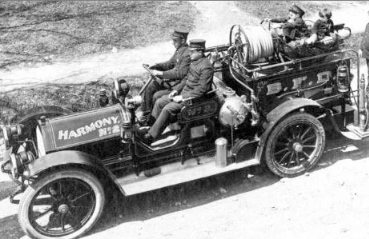
Believed to be built on a Ford Model T chassis, this was Harmony’s first motorized fire engine and the first chemical engine in Boonton.

The archive identifies William Kintscher as the driver, Dawfy Righter as the passenger and future Harmony member Leo Lewis as the child wearing a cap. The other child is unidentified.

1923 Waterous of Harmony Hose & Engine Co. No. 2

Company 304 archive · Select photo to enlarge

1923

Waterous

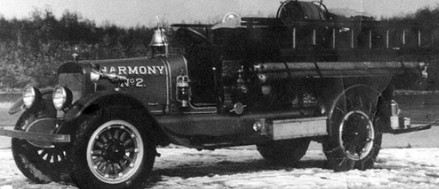
Harmony’s triple-combination chemical, hose and pump engine carried a 400-gallon-per-minute pump. The archive describes it as Boonton’s last red fire engine.

Built on a Wilcox chassis, it was shipped to Boonton on August 16, 1923, alongside the Maxfield and South Boonton Waterous engines. Members sometimes had to push it out of the firehouse to get it started.

1940 Buffalo of Harmony Hose & Engine Co. No. 2

Company 304 archive · Select photo to enlarge

1940

Buffalo

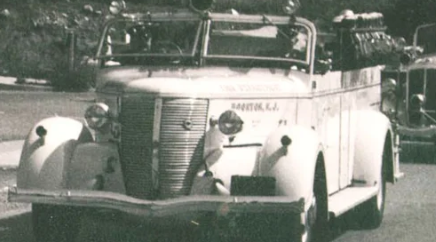
The last pumper Boonton ordered before World War II, the Buffalo was Harmony’s first cream-colored engine. It had a 500-gallon-per-minute positive-displacement pump, 4½-inch suction and a rear-mounted booster reel.

After retirement, it served the Drew Chemical/PVO fire brigade. It was later donated back to Boonton and used by the Auxiliary Fire Department for several years.

1957 Seagrave of Harmony Hose & Engine Co. No. 2

Company 304 archive · Select photo to enlarge

1957

Seagrave

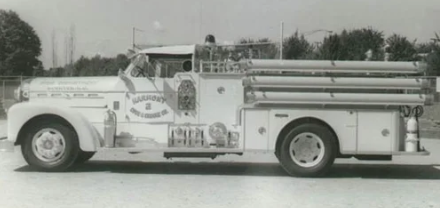
One of three Seagraves purchased by the department, Harmony’s engine had a 750-gallon-per-minute pump and a rear-mounted booster reel.

Its nose was slightly longer than those of the other two engines to accommodate a V-12 engine.

1976 Great Eastern Pumper of Harmony Hose & Engine Co. No. 2

Company 304 archive · Select photo to enlarge

1976

Great Eastern Pumper

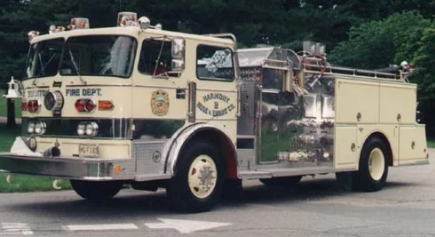
Known as the “Chrome Dome” for its two top-mounted chrome booster reels, the Great Eastern introduced a top-mounted pump panel, pre-piped foam, a three-stage high-pressure pump, Mattdale attack lines, an AC power inverter, anti-lock brakes and automatic transmission to the department.

It carried 500 gallons of water and a 20-gallon foam tank. Refurbished in 1986, it served through March 2001. At one of its final fires, on Plane Street, it also carried a 35-foot ladder for the out-of-service ladder truck.

2000 Seagrave Pumper of Harmony Hose & Engine Co. No. 2

Company 304 archive · Select photo to enlarge

2000

Seagrave Pumper

Delivered on March 12, 2001, this Seagrave and its South Boonton twin were Boonton’s first 1,500-gallon-per-minute pumpers.

The pair also introduced foam available at any discharge and top-mounted pumps with a walk-through layout.

History and photographs from the supplied Harmony Hose & Engine Co. No. 2 archive. Ownership, restoration and building-use notes reflect the historical accounts. The 2000 Seagrave was delivered in March 2001.

← Back to all companiesBack to top ↑