The story at a glance
From fire safety lines
to lifesaving tools
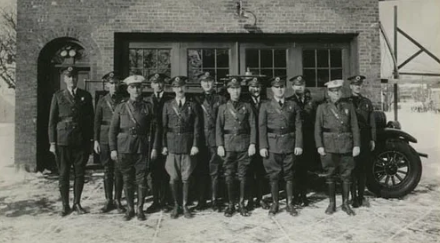
Company 302 grew out of Boonton’s Board of Fire Wardens, whose early work combined inspections, fire safety and scene protection. A first motor vehicle arrived in 1921; the Salvage & Rescue name followed the department’s 1963 reorganization. Each generation of apparatus brought more room for the equipment and skills the town needed.
Explore a chapter below for the details, or jump to the apparatus archive.
1893–1913From Fire Wardens to a shared firehouse
The company traces its roots to the Boonton Board of Fire Wardens. The supplied company history records an ordinance approved April 7, 1893, followed by the Board’s organization on March 22, 1894. The Wardens inspected properties, investigated fire ordinance violations and could take legal action against violators.
At fires, they established safety lines under the Chief Engineer and held police powers while traveling to, attending and returning from an alarm. With no headquarters or vehicle, they met in members’ homes and businesses; their only official property was a badge.
In January 1913, a new firehouse on Madison Street gave the Wardens a shared home with the South Boonton Hose & Engine and Hook & Ladder companies.
1921–1953A new board and the first rescue trucks
All original Board members resigned on February 10, 1921, for reasons the company history describes as a mystery. The Wardens reorganized on October 10 with new rules and regulations.
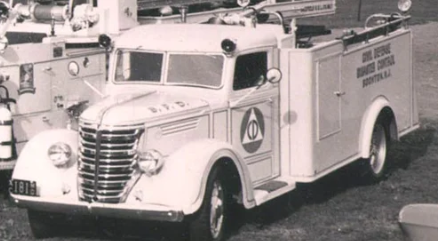
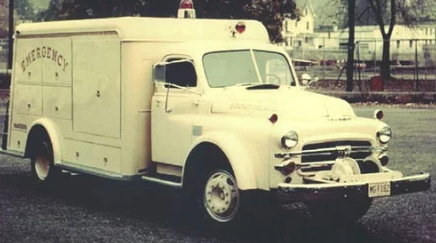
A small 1921 REO Speed Wagon was acquired and rebuilt to their specifications for a total of $525. As the Wardens added salvage and rescue equipment, a 1939 Federal replaced the REO. Fourteen years later, a Dodge with a custom Thoere Body Works body provided more capacity.
1963–1964Salvage & Rescue takes its name
A review begun in 1962 led to a new fire ordinance in 1963. Eight companies were consolidated into five, and the Board of Fire Wardens became Salvage & Rescue Co. No. 1. Department uniforms were standardized, replacing the Wardens’ distinctive boots and breeches.
The new name recognized duties the Wardens already performed. Changes in construction and firefighting increased the need to rescue people and protect property from further damage.
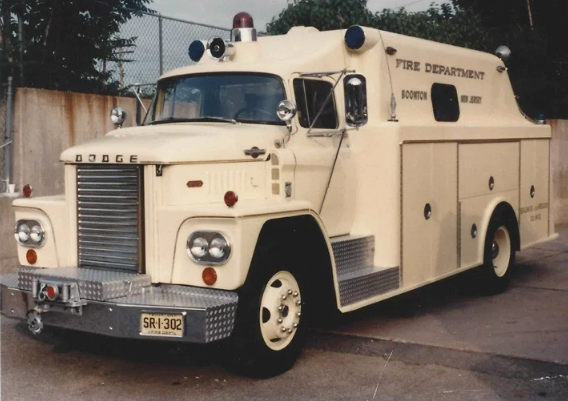
A custom 1964 Dodge provided more equipment space. That same year, a new town hall incorporated a firehouse behind the old station; the former firehouse site became part of the driveway and parking area. Self-contained breathing apparatus and the Jaws of Life were among the tools added as the department modernized.
1981–1987Designing a heavy rescue for Boonton
In 1981, a company committee began comparing refurbishment with replacement of the Dodge. Reliability, scarce parts, body rust, space needs and firefighter safety supported the decision to buy a new vehicle, with backing from the Board of Aldermen.
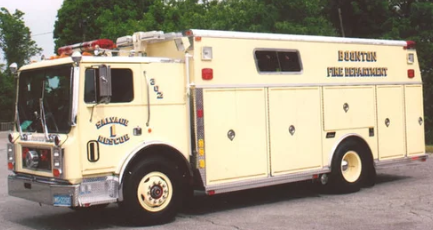
Saulsbury Fire Equipment received the bid in 1986. The new heavy rescue arrived in October 1987 at a cost of $182,000, built to company specifications with room for both existing equipment and future needs.
2006–2016New equipment, evolving responsibilities
A pneumatic light tower was added to the Mack/Saulsbury in 2006. As the truck aged, responsibilities expanded to include public safety diving and firefighter rehabilitation, helping shape the next rescue vehicle.
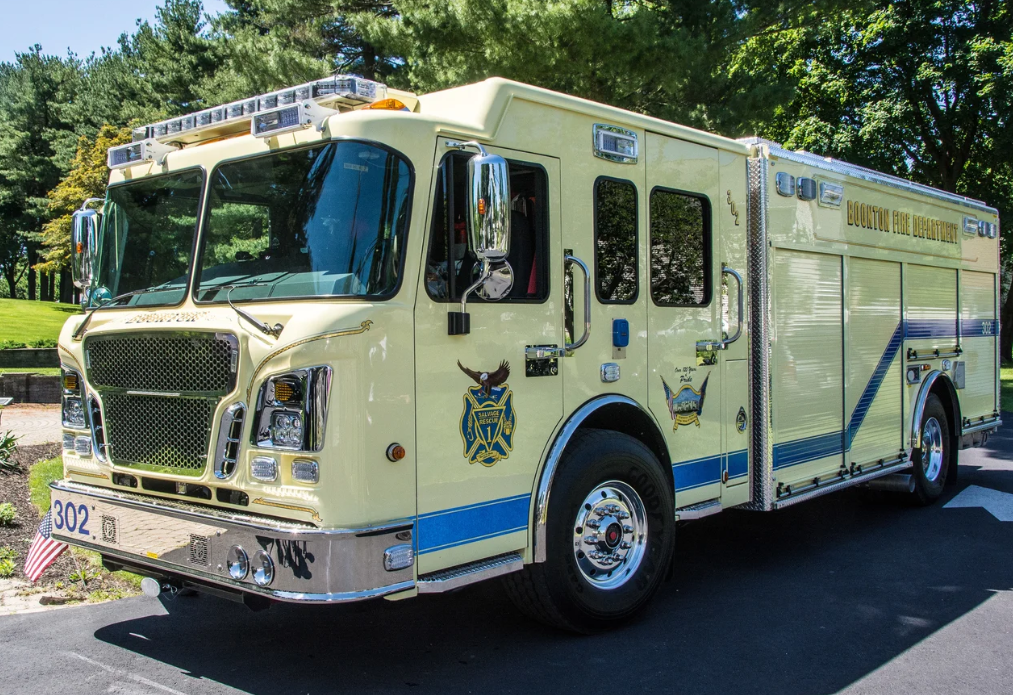
Funding in May 2013 allowed the truck committee to develop a new heavy rescue concept. Plans included a vehicle-mounted radiation detector, mobile Wi-Fi, adjustable shelving and a light tower. Purchased through State Contract, the Spartan MetroStar arrived in spring 2016 and is identified in the supplied apparatus account as in service.
A continuing traditionPreservation and volunteer service
The historical account credits Thomas Corigliano, Jr. with purchasing and restoring the older Dodge rescue trucks for appearances as privately owned motorized antiques in firemen’s parades. These restoration and operating-status descriptions reflect the original account.
The account also recalls a membership of more than forty and credits lowering the minimum age from 21 to 18 with helping sustain the company. These figures describe the period of the original history, rather than a current membership count.
The company’s closing hope remains a lasting one: that new volunteers help all five Boonton fire companies continue serving the town’s residents and businesses.